Concert Etiquette: The Complete Do’s and Don’ts for Live Events
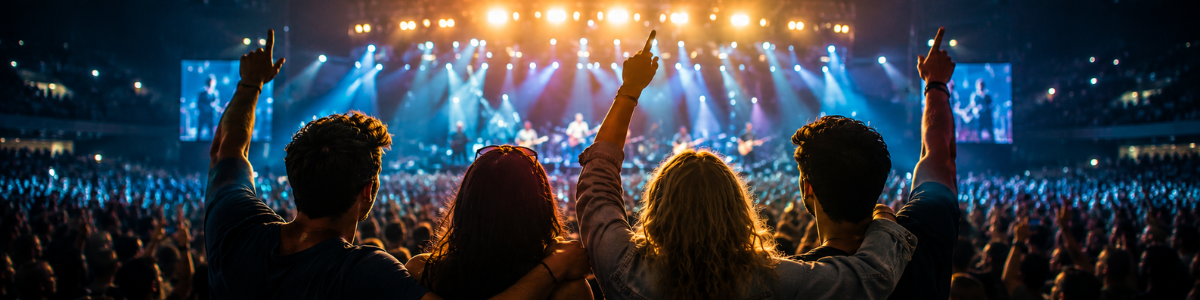
Live events are some of the best experiences life has to offer. The shared energy. The roar of a crowd. The moment your favorite song fills the room. But here’s the thing: a concert is a shared experience. The fan next to you paid just as much for their ticket. The person behind you deserves to see the stage. And the artist up front can see and hear the crowd.
Concert etiquette isn’t about rigid rules or sucking the fun out of live music. It’s about the simple, unspoken agreement that makes everyone’s night better, including yours.
Bad concert behavior isn’t new; it has evolved. Fans threw jellybeans at Beatles shows. Now they hold phones overhead for entire sets. But in 2026, the conversation has hit a tipping point, with artists addressing crowd behavior straight from the stage and fans more vocal than ever about what makes or breaks a show.
Whether you’re heading to your first concert or your fiftieth, this guide covers the do’s and don’ts for every type of live event: concerts, festivals, Broadway, sporting events, and more. Let’s make sure you’re the fan everyone’s glad is standing next to them.
Before You Arrive: Do’s and Don’ts
Getting to the gate prepared sets the tone for the entire night. A little planning goes a long way.
DO: Arrive early. Showing up on time helps you skip long lines and cut the stress, for you and everyone else. You can navigate security without rushing, find your section, grab food and drinks before the crowd peaks, and get settled before the opening act. For general admission floor shows, arriving early is essential if you want a good spot. For seated shows, plan to be in your seat at least 15 to 20 minutes before the advertised start time.
DO: Download your ticket before you leave home. Cell service near large venues is notoriously unreliable thanks to crowd congestion. A ticket that won’t load at the gate delays not just you but the entire line behind you. Get it loaded before you walk out the door.
DO: Check the bag policy in advance. Many venues only allow small bags or clear pouches, often no larger than 12″x6″x12″. Arriving with a non-compliant bag means returning to your car or surrendering your belongings. Check the venue’s specific rules on its website before you pack.
DO: Dress for the occasion and for comfort. Wear clothes that fit the event’s vibe, but don’t sacrifice comfort. If it’s an outdoor venue or you’ll be standing for hours, comfortable shoes are a must. Bring a light jacket if the temperature drops at night.
DON’T: Bring items that block others’ views. Oversized hats, tall accessories, and large signs all fall into this category. If you want to bring a sign, keep it small, hold it up only briefly during appropriate moments, and stay aware of who’s behind you.
DON’T: Arrive intoxicated. Pre-gaming is a concert tradition, but showing up already impaired creates safety risks for you and discomfort for everyone around you. Venues can deny entry to visibly intoxicated fans, and for good reason.
Phone Etiquette: The Most Debated Topic in Live Music
Phone behavior is the single most discussed etiquette issue in live music right now. Artists from Adele to Jack White to Alicia Keys have addressed it from the stage. Yondr pouches, lockable sleeves that prevent phone use, are showing up at more and more high-profile shows. The debate is real, and concertgoers are genuinely divided.
DO: Take a few photos or a short clip. A quick photo or a brief video of your favorite song is universally understood and accepted. There’s nothing wrong with capturing a memory. The problem starts when capturing the memory becomes the entire point of being there. Look back on those moments later, sure, but enjoy them as they happen first.
DO: Hold your phone low when filming. Keep it at chest height rather than above your head. A phone held high blocks the view of everyone behind you, and even a few seconds during a key moment is genuinely disruptive to the people who also paid for their tickets.
DO: Respect no-phone policies. More artists and venues are rolling out no-photography and no-video rules, either for full shows or specific songs. If the venue announces a policy or hands you a Yondr pouch, follow it. These rules keep the experience safe and enjoyable for everyone.
DON’T: Record the entire show. If you’re constantly recording, you’re not actually experiencing the show, and you’re probably blocking someone’s view, too. Filming full songs back-to-back with your phone overhead is one of the most frequently cited complaints among fans. Ask yourself: Will you really watch this footage later? The answer is almost always no.
DON’T: Use flash photography. Flash distracts the performer and ruins the visual experience that the lighting designer carefully crafted. Most venues ban it outright. Turn your flash off before the show starts.
DON’T: Be on your phone for non-concert reasons. Texting, scrolling, and taking calls during the show is disruptive to everyone near you. That bright screen in a dark arena is distracting, and it signals to the artist that you’d rather be somewhere else. If something’s urgent, step out to a concourse area.
Crowd Behavior: Sharing the Space with Fellow Fans
Whether you’re standing in a packed general admission pit or sitting in an assigned seat, every live event is a shared experience. Being aware of the space you occupy and how your actions affect the people around you is one of the simplest ways to create a better atmosphere for everyone.
Start by staying mindful of your physical space. Dancing, swaying, and moving with the music are all part of the fun, but it’s important to avoid constantly bumping into those nearby or taking up more room than necessary. A little awareness goes a long way in helping everyone enjoy the performance comfortably.
If you’re attending a general-admission show and you’re taller than most in the crowd, consider how your height affects others. While you have every right to enjoy the show, making a small adjustment to the side or toward the back when possible can dramatically improve the view for shorter fans behind you. It’s a simple gesture that is often appreciated.
When moving through a crowd, patience and courtesy make all the difference. If you need to leave your spot or return to your group, politely say “excuse me,” move with purpose, and avoid forcing your way through densely packed areas. Arriving early is the best strategy if being close to the stage is important to you, as pushing toward the front after the performance has started is generally considered poor etiquette.
Concerts and festivals are also places where people naturally look out for one another. If someone nearby appears overwhelmed, injured, or in distress, help them get the attention of security or guide them toward an exit if it’s safe to do so. Looking out for fellow fans is part of what makes the live music community so special.
Finally, remember that every crowd has its own culture. Activities like moshing, crowd surfing, and constant jumping may be expected at some rock, punk, metal, and EDM shows, but they would be completely out of place at an acoustic performance, theater production, or seated concert. Reading the room and matching the event’s energy helps everyone feel comfortable. Likewise, avoid claiming large areas of standing-room space for friends who haven’t arrived yet, particularly at sold-out shows where every spot is valuable.
Respecting the people around you doesn’t mean enjoying the show any less—it helps ensure everyone has the chance to create unforgettable memories together.
Singing, Talking, and Noise: Finding the Right Balance
One of the best parts of attending a live concert is sharing the experience with thousands of other fans. Singing along, cheering when your favorite song begins, and applauding after an incredible performance are all part of what makes live music so memorable. Artists often feed off the crowd’s energy, and genuine excitement helps create the electric atmosphere that makes every show unique.
While enthusiasm is encouraged, it’s important to be mindful of the people around you. Singing along is completely normal, but try not to overpower the artist or nearby fans. Everyone came to enjoy the performance, so aim to be part of the crowd rather than the loudest voice.
The same goes for conversations. Chatting briefly between songs is perfectly fine, but once the music starts, it’s courteous to keep talking to a minimum. Loud or continuous conversations during performances are one of the biggest frustrations for concertgoers, especially in smaller venues where voices carry farther than you might expect. If you need to have a longer conversation, stepping into the concourse or lobby is the best option.
Crowd interaction should also be respectful. Feel free to clap, cheer, and celebrate your favorite moments, but avoid repeatedly shouting song requests or trying to get the artist’s attention throughout the show. While calling out a request once may be appropriate at some performances, constant yelling rarely changes the setlist and can distract both the performers and fellow fans.
Finding the right balance between expressing your excitement and respecting those around you helps create a better experience for everyone. After all, live music is meant to be enjoyed together, and a little consideration goes a long way toward making the night unforgettable.
General Admission vs. Seated Shows: Different Rules Apply
Not every concert follows the same etiquette, and one of the biggest differences depends on whether you’re attending a general admission (GA) show or a seated event. What’s considered perfectly acceptable in a standing-room crowd may be frowned upon in a theater or arena with assigned seating, so understanding the expectations ahead of time can help you avoid awkward moments.
At general-admission shows, arriving early is one of the best ways to secure a great spot, since floor space is typically first-come, first-served. Once the music starts, expect to be standing close to other fans, especially near the stage. Some bumping and physical contact are part of the experience, but it’s important to be respectful of those around you. Avoid pushing your way to the front after the show has begun or saving large sections of the floor for friends who haven’t arrived yet. Both are common frustrations among concertgoers. If the crowd becomes uncomfortably packed near the stage, move toward the sides rather than pushing forward, as this helps reduce dangerous crowd compression.
Seated concerts come with a different set of expectations. Stick to the seat printed on your ticket unless venue staff directs you otherwise, even if you notice empty seats nearby early in the show. While it’s common for fans to stand during an encore or especially exciting songs, it’s courteous to pay attention to the crowd around you. If most of the section is seated, remaining on your feet for the entire performance can obstruct others’ view. Likewise, avoid placing jackets, signs, or personal belongings on railings or the backs of seats where they may obstruct someone else’s view.
No matter which type of concert you’re attending, being aware of the venue’s atmosphere and respecting the people around you will help ensure everyone enjoys the show from start to finish.
Etiquette by Event Type: Concerts, Festivals, Broadway, and Sports
While good manners apply at every live event, each type of experience has its own unwritten rules. Understanding the expectations before you arrive can help you blend in with the crowd and make the event more enjoyable for everyone around you.
Rock, Pop, and Arena Concerts
Concerts are all about energy, audience participation, and sharing the experience with fellow fans. At general admission shows, standing, dancing, and singing along are all part of the atmosphere. In reserved seating sections, take cues from the people around you, as some performances encourage standing while others remain mostly seated until the biggest songs or encore.
Capturing a few photos or short video clips is perfectly acceptable at most concerts, but avoid recording entire songs or the full performance. Not only can it distract those behind you, but you’ll also miss the opportunity to fully experience the show. Dress comfortably for the venue and weather, and if alcohol is available, enjoy it responsibly so your fun doesn’t interfere with someone else’s night.
Music Festivals
Music festivals have a unique community atmosphere, with thousands of fans sharing the same space over the course of a day or even an entire weekend. Respecting that shared environment goes a long way. Be mindful of how much space you occupy near stages, especially during popular performances, and avoid setting up large areas with chairs, blankets, or bags where crowds are likely to gather.
If you’re camping, follow quiet hours, respect shared facilities, and leave your campsite as clean as you found it. As you move between stages, be aware of the flow of foot traffic and avoid stopping suddenly in busy walkways. Many festivals also emphasize sustainability, so take advantage of recycling stations and dispose of trash properly. One of the best parts of festival culture is looking out for one another, whether that means sharing sunscreen, helping someone who looks lost, or checking on a fellow attendee who may need assistance.
Broadway and Theater
Broadway shows and theatrical performances have some of the strictest etiquette expectations because the environment is much quieter and the performers are often only a short distance from the audience. Arriving on time is especially important, as many theaters do not allow late seating until an appropriate break in the performance, meaning you could miss part of the show.
Before the curtain rises, silence your phone completely rather than leaving it on vibrate, and unwrap any snacks or cough drops beforehand to avoid distracting noises during quiet scenes. Once the performance begins, avoid talking, texting, or using your phone for any reason. Photography and video recording are typically prohibited during the show, although taking photos before the performance starts is usually permitted. When the performance concludes, don’t hesitate to applaud enthusiastically. Standing ovations at curtain call have become a cherished part of Broadway culture and are a wonderful way to show appreciation for the cast and crew.
Sporting Events
Sporting events are designed to be loud, passionate, and interactive, so cheering for your team is not only welcomed but encouraged. Join in on chants, traditions, and crowd celebrations to fully experience the atmosphere, and if possible, stay until the final whistle or buzzer to support your team and contribute to the energy in the venue.
At the same time, remember that passionate fandom should always remain respectful. Friendly rivalry is part of sports, but personal abuse toward opposing fans, players, or officials crosses the line. Be mindful not to block others’ view with oversized signs or by standing in front of seated fans for extended periods. And while emotions can run high during close games, never throw objects onto the field, court, or ice, as doing so poses safety risks and can result in immediate removal from the venue.
No matter what type of live event you’re attending, being respectful of performers, athletes, and fellow fans helps create the atmosphere that makes live entertainment so memorable.
Concert Etiquette for Families: Taking Kids to Live Events
Taking a child to their first live event can become a lifelong memory, and a little planning can help make the experience enjoyable for the whole family. Choosing an age-appropriate event is the first step. Family-friendly concerts, Broadway productions, and outdoor festivals with designated family areas are often great introductions to live entertainment, while loud rock concerts or packed general admission shows may be better suited for older children and teens.
Because concerts can reach high noise levels, hearing protection is essential for younger attendees. Child-sized ear protection is inexpensive, easy to find, and can help protect developing ears from potentially harmful sound levels. Many venues even offer ear protection for purchase if you forget to bring your own.
If it’s your child’s first live event, take a few minutes before the show to explain what they can expect. Let them know the lights may dim before the performance begins, the music will likely be loud, and there will be large crowds of excited fans. Setting expectations ahead of time can ease nervousness and help build anticipation for the experience.
It’s also a good idea to have a simple safety plan before the show starts. Familiarize yourself with the nearest exits and choose a meeting spot in case someone gets separated. Many larger venues also have guest services or family assistance locations available if needed.
Throughout the event, keep your child’s comfort and the experience of those around you in mind. For safety reasons, avoid letting young children stand on seats, as it can block the view for other guests and is often prohibited by venues. If your child becomes overwhelmed, tired, or no longer enjoys the experience, don’t feel pressured to stay until the end. Leaving a little early is perfectly okay if it means your child’s first concert remains a positive memory; they’ll be excited to repeat.
The Golden Rule of Concert Etiquette
At its core, concert etiquette comes down to one simple idea: remember that the experience isn’t just yours. Every live event is shared with the people around you—from the fan who saved for months to buy a ticket, to the opening act playing their biggest show yet, to the headliner giving everything they’ve got on stage. The best concerts aren’t memorable because of the setlist alone; they’re unforgettable because thousands of people come together to create an incredible atmosphere.
Being a great concertgoer doesn’t require sacrificing your own fun. Sing your favorite songs, cheer loudly, dance when the moment calls, and fully enjoy the experience. At the same time, stay aware of how your actions affect the fans around you. A little courtesy—whether it’s keeping conversations between songs, respecting personal space, or helping someone in need—goes a long way toward making the event better for everyone.
When fans look out for one another, everyone wins. That’s what transforms a good concert into a truly unforgettable one. Ready for your next live event? Browse upcoming concerts, sports, Broadway shows, and festivals, then find your tickets at BoxOfficeTicketSales.com. Your next unforgettable experience starts here.